

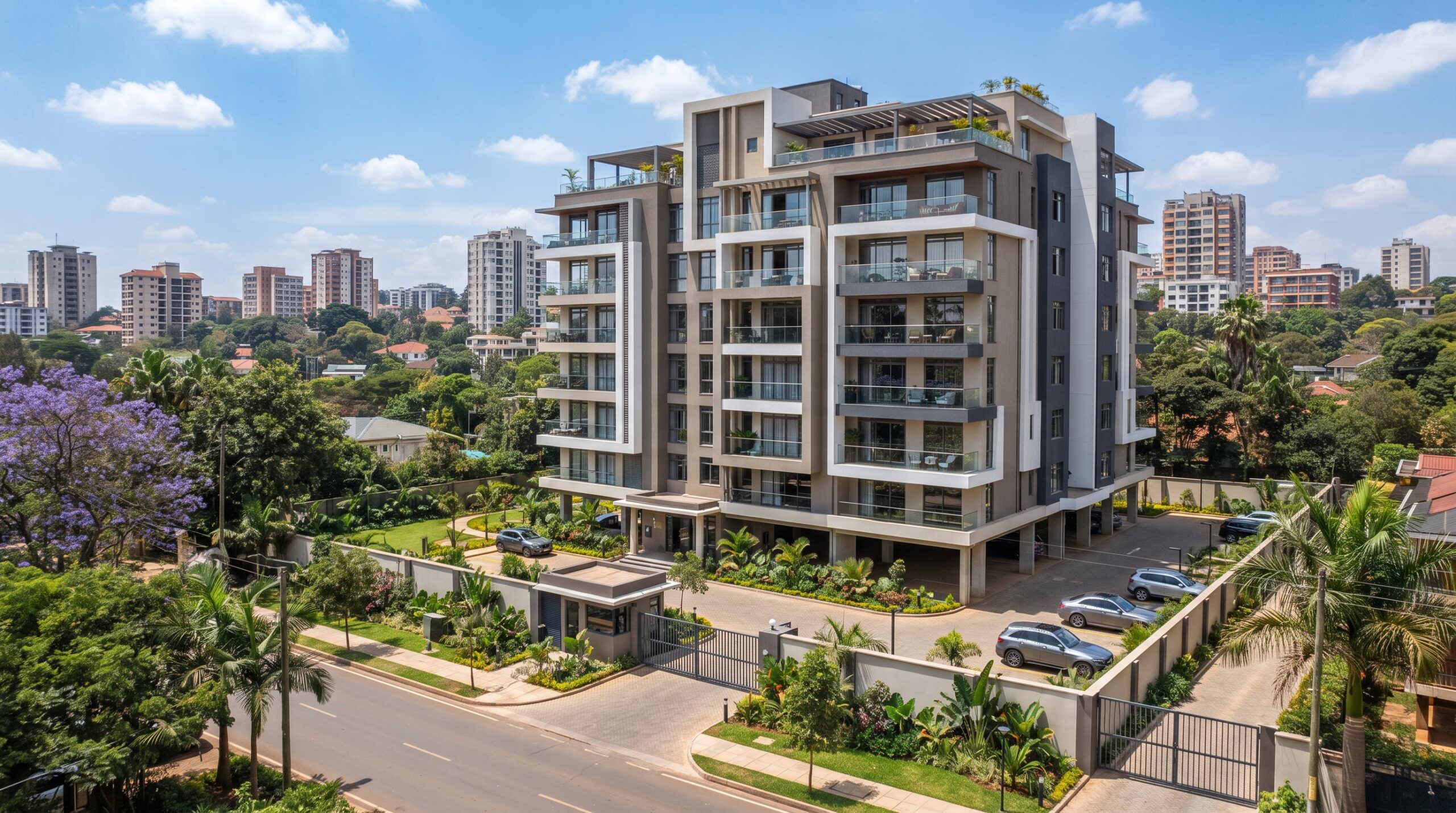
The Nairobi property market is no longer moving in one direction. Here is what is driving the divide between apartments and standalone houses.
For years, Nairobi’s property story was fairly easy to understand: buy in a good location, hold the property and wait for its value to rise.
That picture has become more complicated.
In 2026, apartment prices in some of Nairobi’s established neighbourhoods are under pressure, while standalone houses are recording much stronger price growth. It sounds contradictory at first. Nairobi is still growing, housing demand remains strong, so why would apartments be losing value while houses become more expensive?
The answer comes down to supply, land scarcity, buyer preferences and where demand is strongest.
The numbers tell a different story...
The latest data makes the divide difficult to ignore.
According to the Kenya National Bureau of Statistics’ Q1 2026 residential property data, as reported by Business Daily, average residential property prices increased by 4.8% between Q1 2025 and Q1 2026. But that headline figure hides a significant difference between property types.
Standalone house prices rose by 8.5%, while apartments in Nairobi’s high-end neighbourhoods fell by 4.8% over the same period. Apartments in middle-income areas also declined, by 3.3%.
The contrast is even clearer when looking at the wider annual property index. Business Daily’s January 2026 report on the HassConsult index recorded detached house prices rising by 9.5%, compared with 5.2% for semi-detached houses and 2.5% for apartments.
So this isn’t a case of Nairobi’s entire property market falling.
It is a case of different parts of the market behaving very differently.
Nairobi has an apartment supply problem
The biggest reason is not difficult to spot. Nairobi has built a lot of apartments.
Kilimani, Kileleshwa, Westlands, Upper Hill and surrounding neighbourhoods have experienced years of intensive apartment development. For buyers, that means choice. For developers and existing owners, it means competition.
The latest HassConsult data reported by Business Daily found that apartment prices declined in 10 of the 18 suburbs and satellite towns surveyed in the year to March 2026. Westlands recorded a 7.9% decline, while Upper Hill fell by 6.8%.
That tells us something important.
The problem is not that Kenyans suddenly stopped wanting apartments. It is that the number of apartments competing for those buyers has grown faster than demand in some locations.
BuyRentKenya’s 2025 H2 Property Index reached a similar conclusion, reporting that apartment prices in areas such as Kilimani and Westlands had softened by around 2% to 3%, with increased supply slowing price growth.
When a buyer can choose between several similar two-bedroom apartments within the same neighbourhood, the seller has less pricing power.
And that changes the market.
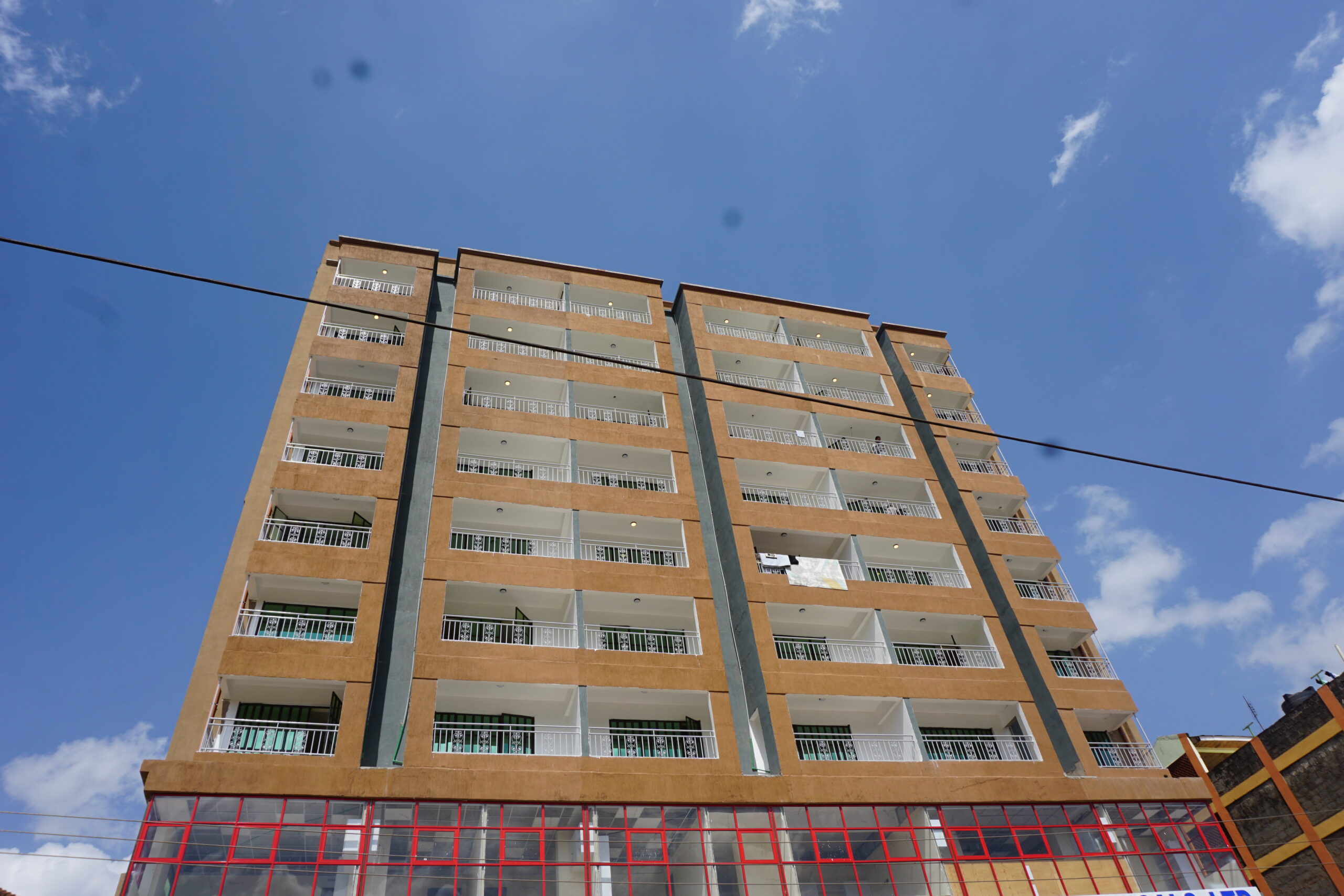
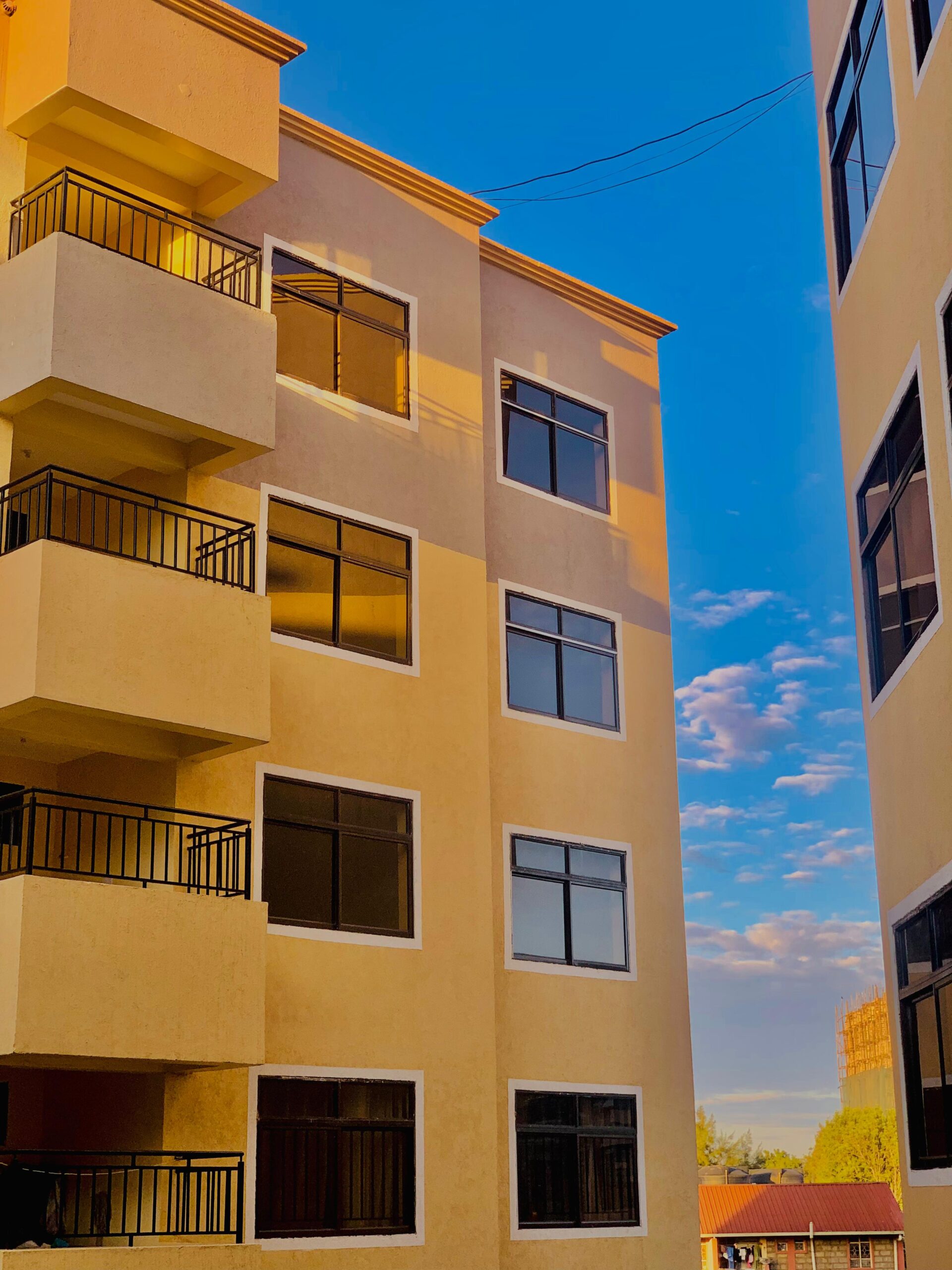

A new apartment is not necessarily a scarce asset
This is where apartments differ from land.
A developer can build another apartment block. And another one. And another…
The amount of land in a particular neighbourhood is finite, but the number of housing units that can be created on that land can increase dramatically when zoning and development economics favour higher density.
That has changed the meaning of “prime location.”
Being in Westlands or Kilimani still has enormous value. But being in a prime location does not automatically mean every apartment there will appreciate rapidly.
If ten developers are offering similar apartments to the same pool of buyers, location alone cannot solve the supply problem.
This is also why buyers should look beyond the asking price and ask a more useful question:
How much competing stock exists around this property?
Then why are standalone houses doing better?
The answer is almost the opposite.
Land is scarce.
A standalone house generally comes with a much larger land component than an apartment. As Nairobi develops, large residential plots are subdivided, redeveloped or converted into higher-density projects.
That makes genuinely low-density residential property increasingly difficult to reproduce in established areas.
The demand is also different.
A family looking for a home may value a garden, privacy, parking, several bedrooms, a home office and outdoor space. An apartment can provide some of those things, but it cannot replicate the land attached to a standalone house.
The latest numbers reflect that demand. KNBS data reported by Business Daily shows that standalone houses were the strongest-performing residential category in Q1 2026, even as apartment prices declined.
That doesn’t mean every house is a good investment.
It means scarcity is working in favour of certain types of houses.




Westlands is not the same market as the Nairobi suburbs
A high-rise apartment in Westlands is competing within a mature, dense market with a large amount of existing and incoming stock.
A standalone home in a suburban neighbourhood may be competing against far fewer comparable properties.
That difference affects both pricing and resale.
There is also a geographical shift happening.
As Nairobi becomes more expensive and congested, buyers looking for space are increasingly considering locations outside the traditional high-density core. BuyRentKenya’s 2025 H2 property analysis found house values in infrastructure-rich satellite towns such as Ruiru, Kitengela and Juja rising by roughly 4% to 6% in the period it analysed.
The important word there is infrastructure.
People are not simply moving farther away from Nairobi. They are looking for places where roads, schools, shopping, employment access and other services make that distance manageable.
But is Nairobi's apartment market actually in trouble?
Not necessarily…
There is still demand for apartments. Nairobi’s urban population continues to need housing, and apartments remain one of the most accessible ways to live close to employment, shopping, schools and other amenities.
The problem is more specific:
Some markets have too much similar stock chasing the same buyer or tenant.
That is very different from saying apartments as a whole are a bad investment.
Location, unit size, purchase price, service charge, rental demand, quality of construction and the amount of competing stock all matter.
A well-bought apartment in a supply-constrained location can perform very differently from an overpriced unit in an area where dozens of similar apartments are available.
