There is a quiet shift happening in Kenya’s property market that doesn’t always show up in headlines, but is very visible in buyer behavior.
More people are buying land outside major towns not because they are building immediately, but because they want space, escape, and a different kind of lifestyle. These are not traditional investors waiting for capital gains. They are what is increasingly being called “weekend landowners.” They own land they may not live on full-time, but it has become part of how they rest, disconnect, and even rethink life outside the city.
For a long time, land buying in Kenya was straightforward. You bought a plot, held it, and waited for value to grow. The focus was mostly financial. That is still true, but a new layer has been added.
Today, some buyers are choosing land for reasons that are not purely investment-driven. They are thinking about:
- where to spend weekends away from the city
- small-scale farming or gardening
- building a simple retreat home over time
- having a quiet space for family time
- long-term lifestyle flexibility
This shift is especially noticeable among younger professionals and urban families who are spending more time reflecting on quality of life, not just property returns.
Why This Shift Is Happening Now
Several changes in how people live and work are shaping this trend.
Remote and hybrid work patterns have made it possible for some professionals to spend more time away from the city without disconnecting from their jobs. At the same time, city living has become more intense, with congestion, rising costs, and limited space pushing people to think differently about where they want to rest.
There is also a growing appreciation for open space. After years of dense urban living, many people are actively looking for quieter environments, even if only for part of the week. This is not a rejection of city life. It is a balancing of it.
What This Means for Land Buyers in 2026
The rise of weekend landowners is changing how land is valued and used. Location is still important, but the question is shifting from:
“How fast will this land appreciate?”
to
“How will I actually use this space in my life?”
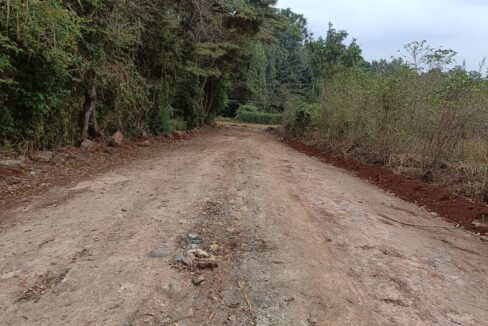
That small change in thinking is influencing demand patterns, especially in areas with improving road access and growing infrastructure. It is also encouraging more intentional buying. Buyers are asking more practical questions before purchasing, such as access, water availability, and long-term usability.