

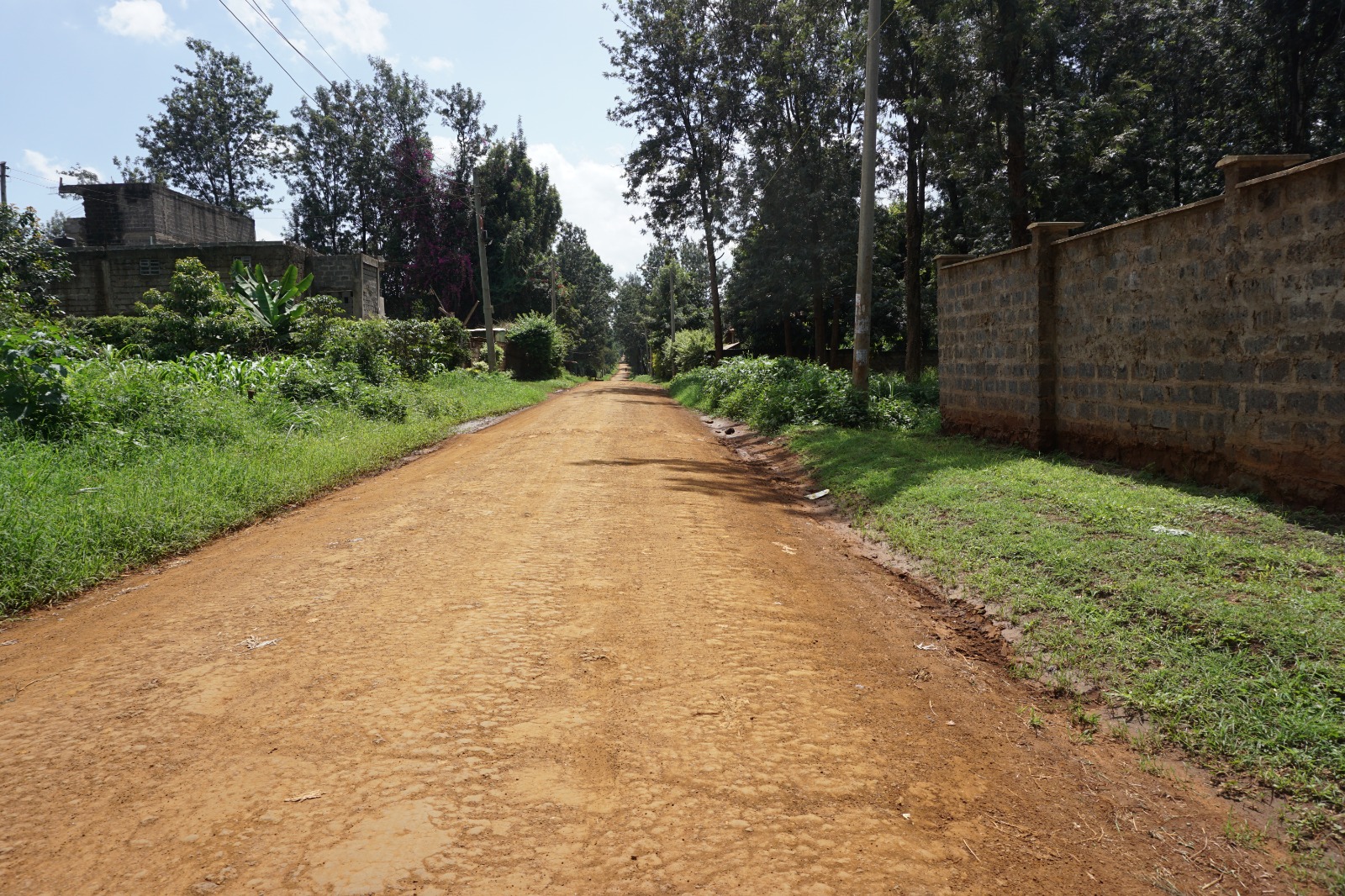
When a new road or bypass is planned near a property, sellers often use it to justify higher asking prices. The expectation is straightforward: better roads attract businesses, make commuting easier and encourage development, eventually pushing land and house prices upwards. Kenya’s experience supports this relationship, but it also shows why buyers need to look beyond the road itself.
Research by Tom Gillespie and Baraka Mwau, published in Antipode in 2024, examined how the Thika Superhighway and Eastern Bypass have reshaped Nairobi’s urban growth. The study describes how road construction contributed to the conversion of agricultural land into residential and commercial developments, with land speculation and apartment construction spreading along the corridors.
Read the study on road corridors and real estate development.
The lesson for buyers is that infrastructure can create real opportunities, but the returns depend on the property’s location, permitted use, surrounding development and the price paid.
What happened to land prices along Thika Road?
The Thika Superhighway provides a useful Kenyan example. A 2018 infrastructure report by Cytonn Research recorded that average land prices in Juja increased from approximately KSh 3 million per acre in 2011 to KSh 9 million in 2016. In Ruaka, the report recorded an increase from KSh 40 million to KSh 83 million per acre over the same period, associating the growth with improved accessibility following the Northern Bypass.
These historical figures illustrate the scale of appreciation that can occur as accessibility improves and development expands. However, they are not a measure of the road’s effect alone. Population growth, demand for housing, changing land use, new commercial activity and speculation also influence prices. Buyers should therefore treat these figures as evidence of what happened in particular markets, not as a forecast that land near the next bypass will deliver similar returns.
Why some properties benefit more than others
The biggest gains often occur where a road connects an emerging residential area to employment centres, schools, shopping facilities and established commercial districts. Improved access can make land more attractive for housing, shops, offices or warehouses, depending on local demand and planning rules. A property that previously felt remote may become practical for development, increasing the number of potential buyers and tenants.
But being close to a major road does not automatically make a property more valuable. A commercial plot may benefit from visibility and passing traffic, while a residential property directly beside a busy highway may face noise, dust and difficult access. A parcel separated from the road by poor feeder roads may also miss out on much of the benefit. The important question is whether the infrastructure improves access to the property itself and makes its intended use more viable.
Should you buy land before a new road is completed?
Buying before infrastructure is completed can offer an opportunity to enter a market before its full potential is reflected in prices. The risk is that sellers may already have priced in the expected improvement, leaving little room for appreciation. Project delays, changes in design or limited connections to surrounding neighbourhoods can also weaken the investment case.
Before buying, establish the project’s actual status through official government announcements and project documents. Distinguish between a proposal, an approved and funded project, active construction and a completed road. Then assess whether the specific property will gain a useful connection, rather than relying on its general proximity to the route. Check the asking price against comparable land, investigate planning restrictions and road reserves, and consider whether there is sufficient demand to support future development.
How to tell whether the price increase is justified
A credible investment case should rest on more than an agent’s prediction that land prices will rise. Compare properties in the same area, examine differences in access and permitted use, and look for evidence of actual development and buyer demand. Where reliable transaction data is unavailable, be cautious about treating advertised prices as proof of market value.
Also consider the cost of waiting. Vacant land may generate no income while you pay for security, rates, taxes and other holding expenses. If you are buying for rental development, estimate realistic construction costs and achievable rents rather than assuming that appreciation alone will produce a worthwhile return.
So, does a new road increase property value?
It can, particularly when it improves meaningful access, supports economic activity and opens up land for development. The experience around Thika Road and the Eastern Bypass demonstrates how major infrastructure can contribute to substantial changes in surrounding property markets. But appreciation is neither automatic nor uniform, and a property bought at an inflated price may still deliver a poor return even if the road is completed as planned.
The better question is not simply whether a new road is coming. It is how the road will change demand for this particular property, whether that benefit is already reflected in the price, and what evidence supports the expected return. Those answers provide a much stronger basis for deciding where and when to invest in Kenyan real estate.