
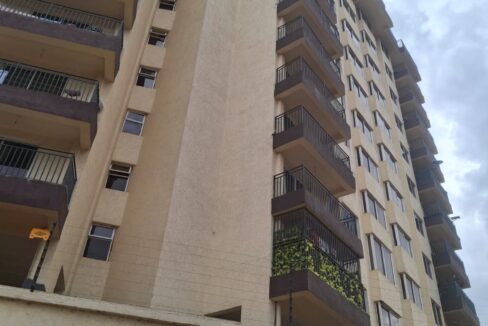
Imagine paying for an apartment in full, receiving the keys and settling into your new home, only to discover that the development’s land was used as security for a bank loan that the developer has failed to repay.
It is a situation apartment buyers should understand before committing their money. Paying the developer in full does not, by itself, guarantee that an existing bank charge against the development has been cleared.
How does this happen?
Some developers use bank financing to acquire land or fund construction. The bank may register a charge against the property as security for the loan. The developer can then sell apartments to individual buyers while the financing arrangement is still in place.
If the developer defaults, the bank may have the right to exercise its power of sale under the Land Act, subject to the required legal procedures.
The concern for a buyer is whether their particular apartment has been properly protected and released from the bank’s security. A sale agreement and proof of payment are important, but they do not automatically remove a registered charge.
This does not mean every bank-financed development is unsafe. It means buyers should understand the financing arrangements before purchasing.
How can you protect yourself?
1. Conduct an independent title search
Before making a payment, establish who owns the land and whether it has any registered charges or other encumbrances. Do not rely exclusively on documents or assurances supplied by the developer.
2. Ask about the developer’s bank financing
If the development is financed by a bank, ask which lender has an interest in the property and how individual apartments will be released from that security. Request written confirmation of the arrangement rather than relying on verbal promises.
3. Have the sale agreement independently reviewed
Ensure the agreement clearly addresses existing charges, the developer’s obligation to obtain any necessary lender consent, the release of your unit and the transfer of ownership. An independent review can help identify risks before you commit substantial funds.
4. Understand the title you are buying
Ask whether the apartment will have an individual sectional title or another recognised ownership arrangement. Under Kenya’s Sectional Properties Act, 2020, registration of a sectional plan allows separate registers and titles to be opened for individual units. Also establish whether any existing interests affecting the development will be carried onto the individual unit’s register.
5. Confirm that the bank’s charge has been cleared where required
If the development land is charged, establish what formal arrangement will release your particular unit. Where a discharge or partial discharge is required, ask for evidence that the relevant process has been completed and registered. Full payment to the developer should not be treated as proof that the bank’s interest has automatically been removed.
Already bought an apartment?
If you have already purchased an apartment, you can still take steps to establish the status of your ownership. Obtain an updated official search, review your purchase documents and confirm whether the unit has been transferred or whether any existing charge remains outstanding.
If you discover an unresolved charge or receive notice of a proposed auction, seek independent legal assistance promptly. The available options depend on the property’s registration status and the specific documents involved.
Make due diligence part of your property purchase
An apartment is a significant investment, and the checks should go beyond its location, finishes, amenities and rental potential. Understanding how the development was financed, verifying the title and confirming how any bank security will be handled are equally important.
We encourage you to look beyond the apartment you can see and understand the legal arrangements behind the property. A little more scrutiny before payment can help prevent costly complications later.