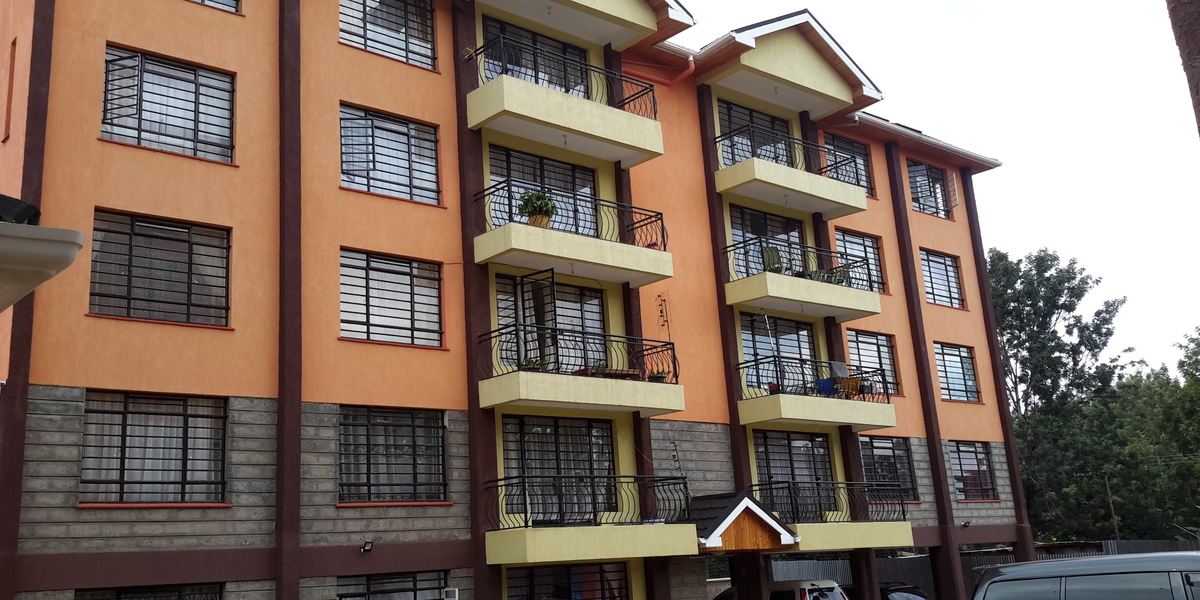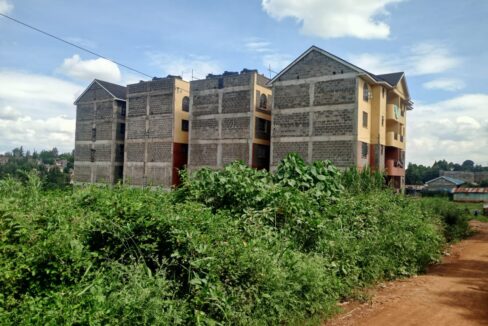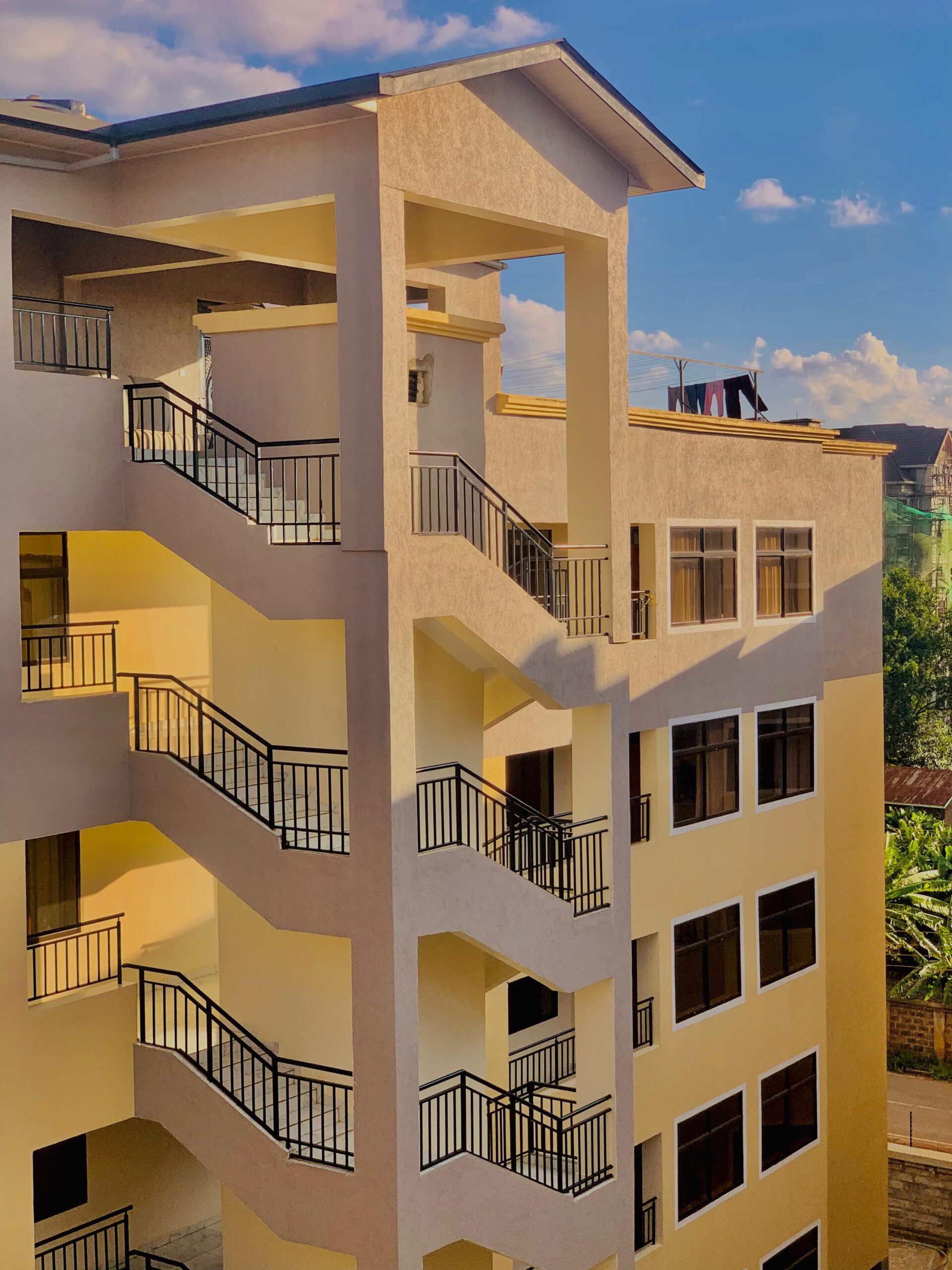
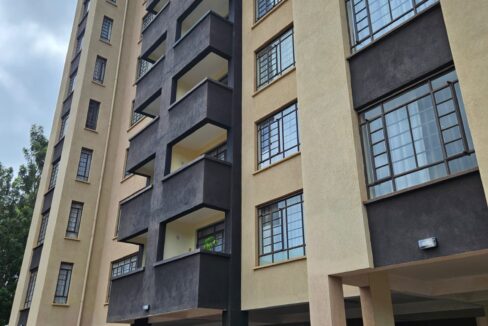
If you drove through Thindigua ten years ago, you would have seen a very different neighbourhood. Today, it’s difficult to miss the skyline of new apartment developments rising along Kiambu Road and the roads branching into the estate. What was once a largely low-density residential area has become one of the busiest apartment markets on Nairobi’s northern edge.
It’s easy to assume developers are simply following a trend. The reality is more interesting. The shift from townhouses to apartments is being driven by economics, changing buyer preferences, and the unique location that Thindigua enjoys.
Land Has Become Too Valuable to Build Low
Every development starts with one question: How do you make the best use of the land?
That question has become even more important in Thindigua. Sitting along Kiambu Road, between Ridgeways and Kiambu Town, and with easy access to the Northern Bypass, the area has become increasingly attractive to both homeowners and investors. Improved connectivity has made it easier to reach Westlands, Gigiri, Parklands, the Nairobi CBD and even JKIA through the bypass network.
As accessibility has improved, land values have followed.
For a developer, building only a few townhouses on an increasingly expensive parcel of land is often difficult to justify. A modern apartment development can accommodate many more homes while incorporating amenities such as lifts, backup power, borehole water, gyms, rooftop terraces, children’s play areas and secure parking. The result is a better return on the same piece of land without compromising the quality of living.
The Buyer Has Changed Too
A large proportion of today’s buyers are professionals working in Gigiri, Westlands, Parklands, Upper Hill and the Nairobi CBD. Others are Kenyans in the diaspora looking for investment properties or families searching for a well-connected neighbourhood without paying the premium prices found in Runda, Muthaiga or Westlands.
For many of these buyers, convenience matters more than a large compound. They want a home that offers security, reliable water supply, fibre internet, parking, backup power and easy access to work, schools and shopping centres. Apartments are increasingly meeting those expectations better than traditional townhouses.
This explains why two and three-bedroom apartments continue to dominate new developments in Thindigua.
Location Is Thindigua's Biggest Advantage
One reason apartments continue to perform well here is that residents don’t have to sacrifice convenience.
Shopping is within easy reach at Quickmart Thindigua, Ridgeways Mall, Ciata City Mall, Village Market and Two Rivers Mall. Families have access to schools such as SABIS International School, Braeburn Garden Estate School, Brookhouse Runda, Laureate School and ACK Thindigua Primary. Healthcare is supported by nearby facilities including Aga Khan University Hospital, Gertrude’s Children’s Hospital and RFH Healthcare, while Windsor Golf Hotel & Country Club and Karura Forest provide nearby recreational options.
That combination is difficult to replicate.
For many buyers, Thindigua offers something increasingly rare around Nairobi: the ability to live in a modern neighbourhood while remaining within a relatively short drive of major employment centres and everyday amenities.
Are Townhouses Losing Their Place?
Not entirely.
Townhouses still appeal to buyers looking for larger homes, private gardens and long-term family living. They remain an excellent option for households that value space above all else.
However, today’s market tells a different story. The strongest demand in Thindigua is coming from buyers and investors looking for practical homes that are easier to maintain, attractive to tenants and positioned close to key transport routes and commercial hubs.
For developers, that demand naturally favours apartments.
As Thindigua continues to grow, the conversation is no longer about whether apartments or townhouses are better. It’s about building homes that reflect how people live today.
That is why the skyline keeps changing. Thindigua isn’t simply growing taller for the sake of it. It is responding to a new generation of homeowners who value accessibility, convenience and efficient urban living just as much as square footage.