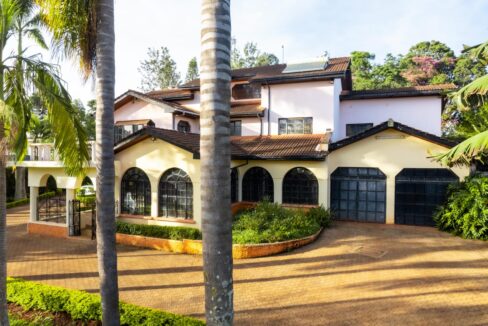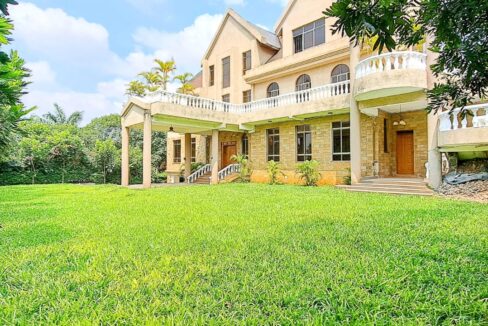

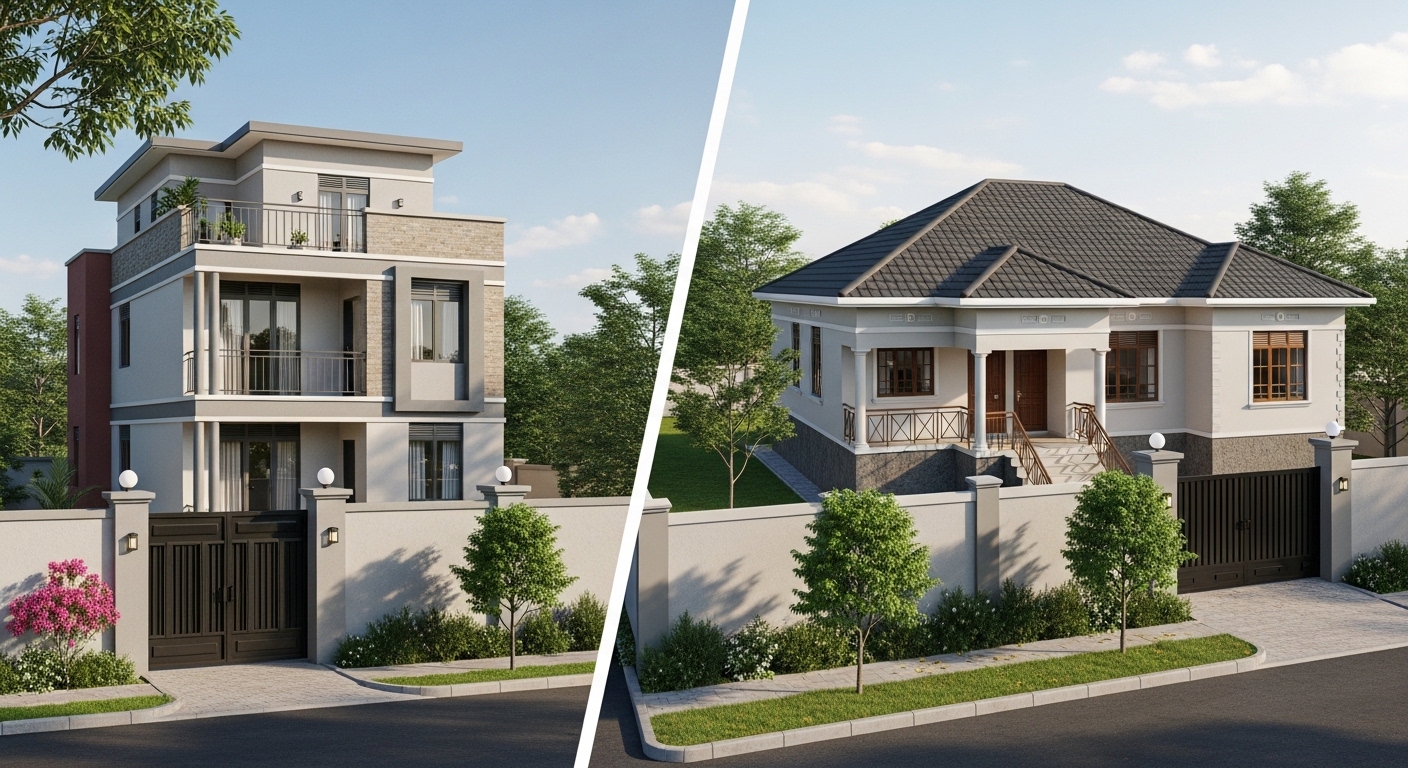
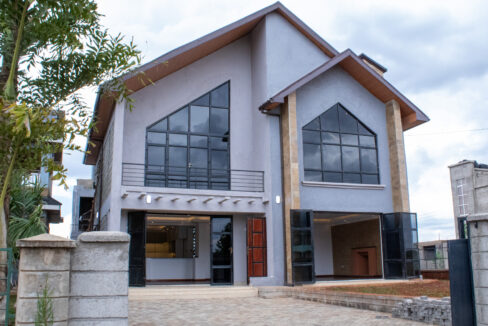
For decades, the classic Kenyan dream home looked the same. A two-storey maisonette with a small compound, a tiled roof, and a staircase separating living space from bedrooms. Estates such as Buruburu were built around this idea and quickly became symbols of middle-class success.
Today, that dream is quietly changing. Across many towns and suburbs, more middle-class families are leaning toward bungalows instead of multi-storey homes.
A shift toward simpler living
Many homeowners say the appeal of a bungalow lies in its simplicity. Everything sits on one level. There are no stairs to climb daily, which makes movement easier for families with young children or elderly relatives.
The layout also tends to feel more relaxed. Living spaces flow more naturally, and the house often connects better with the outdoors. Gardens, patios, and outdoor sitting areas become part of everyday life.
For many families, that sense of openness and comfort outweighs the prestige once associated with taller homes.
Rising construction costs are influencing decisions
Recent data shows construction costs for residential houses in Kenya have increased sharply due to inflation, rising fuel prices, and expensive building materials. Building a maisonette typically costs more per square metre than a bungalow because of the additional structural requirements involved in supporting upper floors.
For middle-income families trying to stretch their budgets, the bungalow becomes the more practical option.
A single-storey house often requires less structural reinforcement, less labour complexity, and simpler design. These savings can make a significant difference in the final building budget.
Lifestyle preferences are evolving
Modern homeowners are also placing greater emphasis on lifestyle rather than status. In earlier decades, owning a maisonette signaled upward mobility. Today, buyers are more focused on comfort, convenience, and space utilization.
Bungalows allow homeowners to design larger living areas, expansive kitchens, and wider windows that bring in natural light. The layout can easily accommodate modern open-plan designs, which many families prefer.
There is also the benefit of flexibility. Extensions, extra rooms, or outdoor additions are often easier to build onto a bungalow than a multi-storey house.
Land availability in satellite towns
Another reason for the shift is geography. Many middle-class Kenyans are now buying land in satellite towns where plots are larger and more affordable. In these areas, there is less pressure to maximize vertical space, making single-storey homes more practical.
With more land available, homeowners prefer spreading out rather than building upward.
Maintenance and long-term practicality
Maintenance is another factor influencing the decision. Maisonettes require upkeep across two floors, including staircases, railings, and sometimes more complex roofing structures. Bungalows are generally easier and cheaper to maintain over time. For homeowners thinking long term, the simpler structure often feels like the smarter investment.
The shift from maisonettes to bungalows reflects broader changes in how Kenya’s middle class views housing. The focus is no longer purely on architectural status. Instead, buyers are looking for homes that are practical, comfortable, and affordable to maintain. In many new developments and self-built homes across Kenya, the bungalow is quietly reclaiming its place as the preferred design.